



Understanding protein and appetite control for everyday balance
If you’re eating regularly but still feel hungry, snacky or never quite satisfied, you’re not doing anything wrong.
For many women, appetite isn’t about discipline or “trying harder”. It’s about whether your meals are actually giving your body what it needs to feel settled, supported and fuelled.
And this is where protein quietly makes a difference.
Protein and appetite: the missing piece in feeling fuller for longer
Protein is widely recognised as the most satisfying macronutrient, which means it helps you feel fuller after meals and stay fuller for longer¹.
- Help increase feelings of fullness after eating¹
- Reduce hunger between meals²
- Support steadier appetite signals across the day²
This happens because protein influences hormones that help regulate appetite. It supports hormones linked to satiety, while reducing those associated with hunger². In everyday terms, protein helps your body feel calmer around food.
Why this matters (especially for women)
Women juggle a lot — mentally and physically. Stress, sleep, hormone fluctuations, busy schedules and changing energy needs all influence appetite.
When meals are too low in protein, hunger tends to return sooner. Energy dips happen faster. Cravings feel louder. It’s not a lack of willpower — it’s a lack of support.
Higher-protein eating patterns have been shown to improve appetite control without extreme restriction², making them far more realistic habits that you can sustain for the long term.
Appetite first, balance follows
When appetite feels more regulated, everything else becomes easier.
Studies consistently show that higher-protein diets can support fat loss while helping preserve lean muscle mass³. But the real win isn’t just the scale — it’s feeling more in control, less reactive around food, and more confident in everyday choices.
This is about nourishment, not punishment.
Protein’s bigger role in women’s health
Beyond appetite, protein plays a key role in:
- Supporting strength and body composition when paired with resistance training³
- Reducing the risk of frailty later in life⁴
- Supporting muscle mass and strength in post-menopausal women⁵
Muscle supports metabolism, movement and long-term independence. Prioritising protein isn’t about building muscle for aesthetics — it’s about staying strong, capable and well.
The reality: Consistency is the hard part
Knowing protein matters doesn’t always make it easy to get enough. Busy mornings, light lunches, rushed snacks all add up quickly. That’s why having convenient, reliable protein options can make a difference.
A simple, supportive way to boost protein intake:
Protein shakes aren’t meant to replace real food — they’re designed to support it.
Used intentionally, they can help anchor meals or snacks with enough protein to support appetite and consistency.
Tony Ferguson offers a range of protein options to suit different needs and preferences:
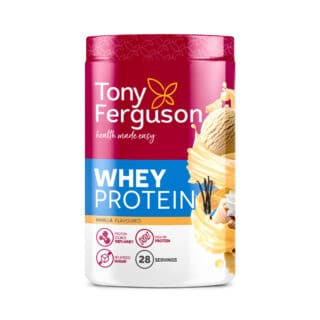
- Tony Ferguson Whey Protein: A whey-based protein delivering nearly 20g of protein per serving — ideal post-workout or blended into smoothies for a satisfying boost.
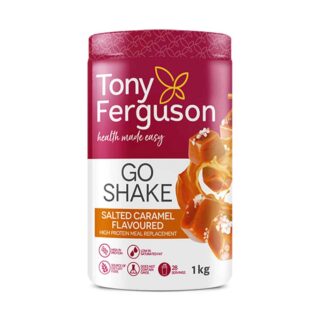
- Tony Ferguson GO Shake: A more balanced option that includes protein, carbohydrates and fibre. Great for busy mornings or when you need something more sustaining between meals.
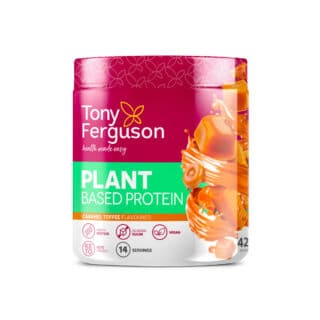
- Tony Ferguson Plant-Based Protein Shake: A dairy-free alternative made from pea and rice protein, offering a comparable protein contribution with a smooth, everyday-friendly taste.
Each option offers a practical way to prioritise protein without overthinking it.
What this means for you
If appetite feels unpredictable, protein may be the support your body is asking for.
Prioritising protein can help you feel fuller, more satisfied and more steady around food, while also supporting strength, muscle health and long-term wellbeing.
Because feeling good around food isn’t about control. It’s about feeling supported.
References
- Leidy HJ, Armstrong CL, Tang M, Mattes RD, Campbell WW. The influence of higher protein intake and greater eating frequency on appetite control. Obesity. 2010;18(9):1725–1732.
- Kohanmoo A, Faghih S, Akhlaghi M. Effect of short- and long-term protein consumption on appetite and appetite-regulating gastrointestinal hormones. Physiol Behav. 2020;226:113123.
- Hansen TT, Astrup A, Sjödin A. Are Dietary Proteins the Key to Successful Body Weight Management? Nutrients. 2021;13(9):3193.
- Beasley JM et al. Protein Intake and Incident Frailty in the Women’s Health Initiative Observational Study. J Am Geriatr Soc. 2010;58(6):1063–1071.
- The Impact of Protein in Post-Menopausal Women on Muscle Mass and Strength: A Narrative Review. Physiologia. 2024;4(3):266–285.
Disclaimer:
This article is for informational purposes only and is not intended as medical or dietary advice. Individual nutritional needs vary. Please consult a qualified healthcare professional or dietitian before making dietary changes.

GO Shake - 1kg / Assorted
R274.99 (incl vat)Select optionsWhey Protein Vanilla – 840g
R699.99 (incl vat)Add to cartPlant Based Protein Shake Caramel Toffee - 420g
R199.99 (incl vat)Add to cart
You will need to sign in before you can post a review for this recipe...
Sign In